
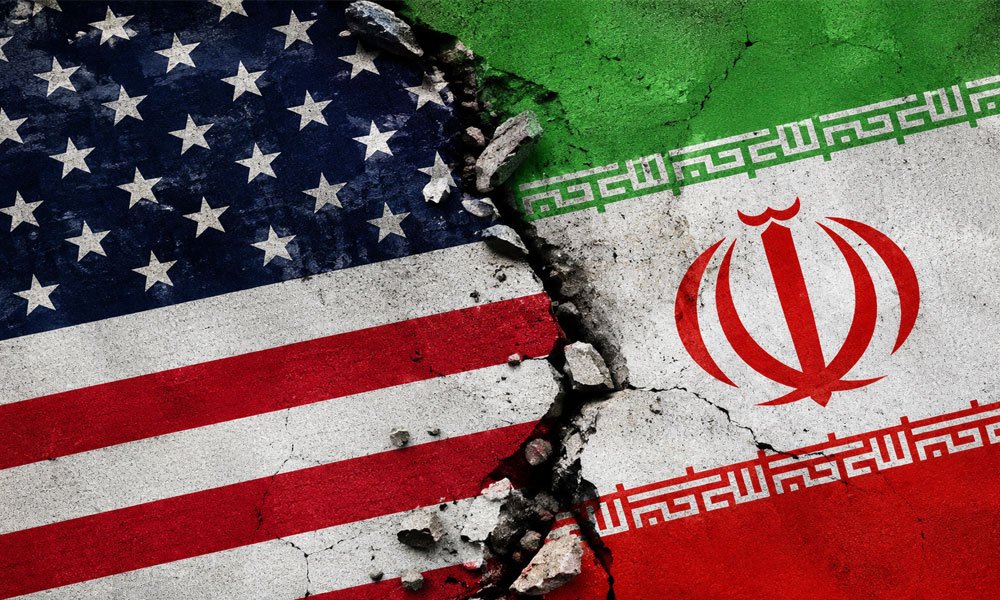
Washington/Tehran: Tensions between the United States and Iran have escalated once again after reports emerged of fresh American military operations targeting Iranian positions overnight. The developments have intensified concerns over security in the Strait of Hormuz, one of the world’s most critical maritime trade routes.
According to international media reports, including Reuters, the US military carried out strikes on several Iranian military sites, claiming the facilities posed a threat to American forces and commercial vessels operating through the Strait of Hormuz. US officials, speaking anonymously, also stated that multiple Iranian drones were intercepted and shot down during the operation after being identified as potential threats.
The Strait of Hormuz is strategically significant because a major share of the world’s oil and gas shipments passes through the narrow waterway connecting the Persian Gulf to global markets. Any disruption in the region often impacts international energy prices and global trade.
The latest military action comes at a time when diplomatic discussions have reportedly been underway to reduce hostilities in the region. However, the fresh escalation has raised fears that the conflict could move toward a broader regional confrontation.
Reports suggest that tensions between the two sides have remained high following earlier military actions involving the United States and Israel earlier this year. The continuing conflict has already resulted in significant casualties and has contributed to instability in global energy markets.
Analysts believe the recent strikes could either be part of a pressure strategy during ongoing negotiations or signal preparations for a larger military standoff. Meanwhile, several countries are closely monitoring the situation due to concerns over international shipping security and oil supply disruptions.
The United States and Iran have not yet issued detailed official statements regarding the latest overnight operations. Global attention now remains focused on whether diplomatic channels can prevent further escalation in the strategically vital Gulf region.