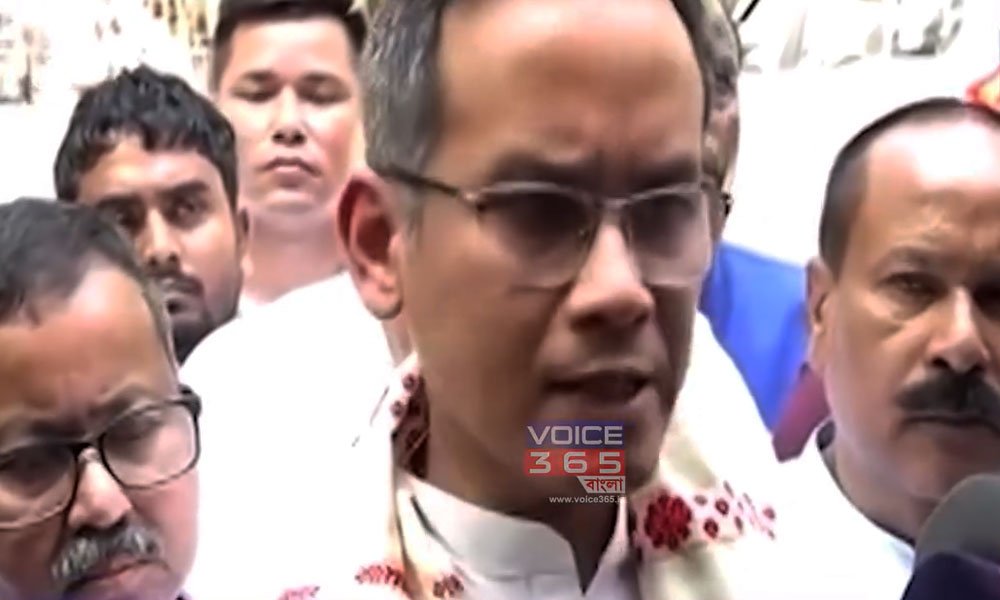
New Delhi: Arguing that stronger punishments alone cannot eliminate examination malpractices, Congress MP Gaurav Gogoi on Tuesday urged the Centre to focus on comprehensive reforms to India’s examination system while participating in the debate on the Public Examination (Prevention of Unfair Means) Amendment Bill, 2026 in the Lok Sabha.
Gogoi said the anti-paper leak law enacted in 2024 had been presented as a major step forward after the NEET examination controversy that year. However, the alleged NEET-UG 2026 paper leak, he argued, demonstrated that the existing legislation had failed to prevent another large-scale breach.
According to the Congress leader, the proposed amendments are unlikely to achieve their objective unless the government addresses the systemic issues that continue to enable examination leaks. He stressed that merely increasing penalties would not solve the problem without improving the overall examination ecosystem.
The amendment Bill, introduced in Parliament on Monday, follows nationwide protests over the alleged NEET-UG 2026 paper leak and the resignation of Union Education Minister Dharmendra Pradhan. The proposed law seeks to significantly strengthen punishments for those involved in examination fraud, prescribing prison terms of up to 10 years and fines that may extend to ₹50 lakh.
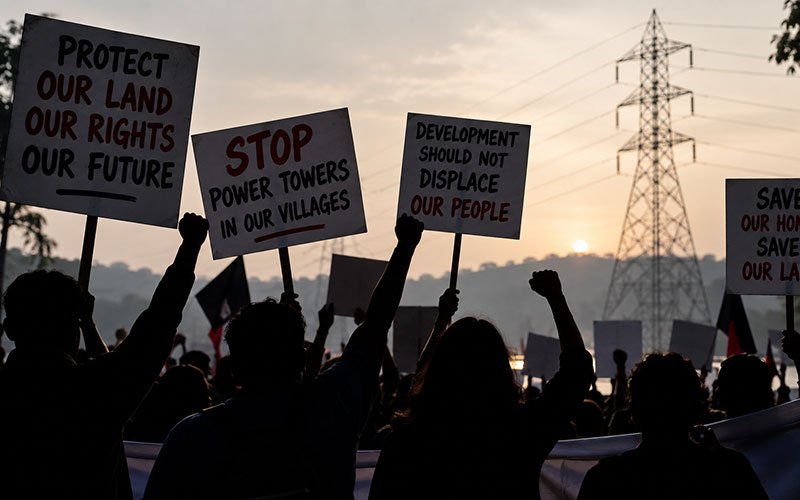
During the debate, Gogoi also criticised the government’s response to student demonstrations, alleging that security forces used excessive force against protesters. He said students were expressing genuine concerns about the integrity of competitive examinations and deserved to be heard rather than confronted with harsh measures.
The Congress MP further questioned the Bharatiya Janata Party’s decision to applaud Pradhan in Parliament after his resignation, saying such a gesture was inappropriate given the seriousness of the examination leak controversy.
Emphasising the need for long-term reforms, Gogoi called for greater scrutiny of the coaching industry, improvements in the paper-setting process and stronger action against organised networks allegedly involved in leaking examination papers. He argued that addressing these structural weaknesses would be more effective than relying solely on harsher legal provisions.
He also sought an update on the recommendations of the high-powered committee led by former ISRO Chairman K. Radhakrishnan, which was constituted after the 2024 NEET controversy to recommend reforms to the country’s examination framework.
Gogoi additionally questioned the government’s statement that 47 officials associated with the National Testing Agency (NTA) had been removed or transferred. He asked how that number exceeded the agency’s sanctioned strength and urged the government to provide a transparent explanation.