New Delhi: In a dramatic turn of events in the NEET paper leak controversy, Union Education Minister Dharmendra Pradhan resigned on Saturday, taking what he described as moral responsibility for the developments surrounding the examination crisis. On the same day, the Centre and the Cockroach Janta Party (CJP) reached an agreement that led to the withdrawal of the party’s 36-day protest at Delhi’s Jantar Mantar.
The twin developments mark the most significant political fallout from the NEET controversy, which triggered nationwide student protests, a Central Bureau of Investigation (CBI) inquiry and major reforms to India’s examination system.
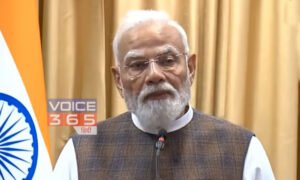
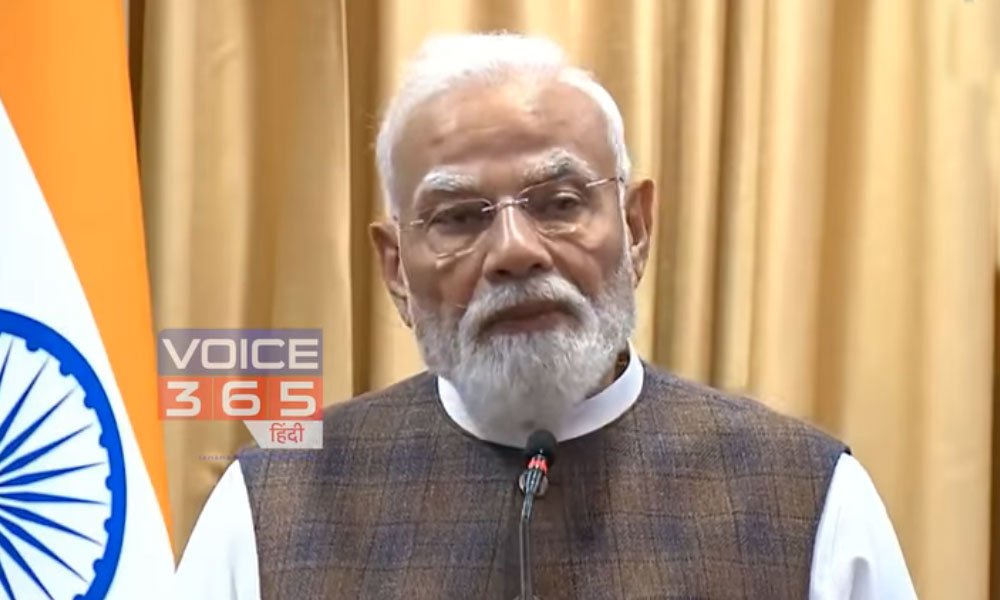
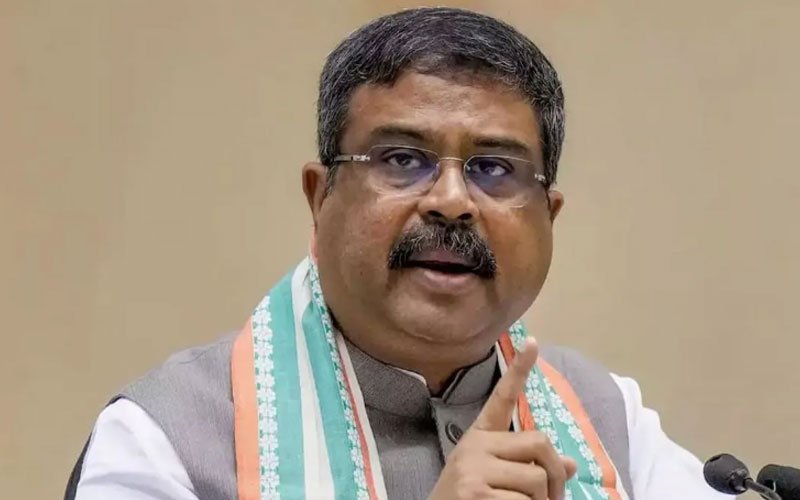
Announcing his resignation through a letter addressed to the country’s youth, Pradhan said he had submitted his resignation to Prime Minister Narendra Modi after carefully considering the situation that had unfolded across the country. He said he had devoted more than four decades to the education sector and remained committed to ensuring that students received a fair and transparent examination system.
Pradhan noted that the government acted promptly after irregularities surfaced in the NEET-UG examination by handing over the investigation to the CBI, cancelling the examination, scheduling a fresh test and deciding to introduce a computer-based NEET examination from next year. He added that he had accepted responsibility from the very beginning and worked to ensure that deserving students did not suffer because of what he described as an organised examination racket.
The former minister further stated that his decision to step down was intended to prevent the issue from being politically exploited and to allow students to focus on their education and future.
A few hours after the resignation, the Centre held its third round of talks with the Cockroach Janta Party (CJP). Following the meeting, both sides reached an agreement under which the government agreed to withdraw the First Information Reports (FIRs) registered against peaceful protesters.
Following the discussions, the CJP announced the immediate withdrawal of its 36-day agitation at Jantar Mantar, stating that it was ending the protest in “good faith” after the government accepted its key demands.
With the protest coming to an end, the Delhi Metro Rail Corporation (DMRC) restored normal services across the National Capital. Entry and exit at all Metro stations that had been closed due to security arrangements were reopened. Earlier in the day, services had resumed at Rajiv Chowk, Mandi House and Central Secretariat stations before restrictions were lifted at all 18 affected stations.
The developments are expected to ease tensions surrounding the NEET controversy, although the issue continues to have far-reaching implications for India’s education system. The paper leak case has already led to a CBI investigation, nationwide debate over examination reforms and renewed demands for greater transparency and accountability in the conduct of competitive examinations.