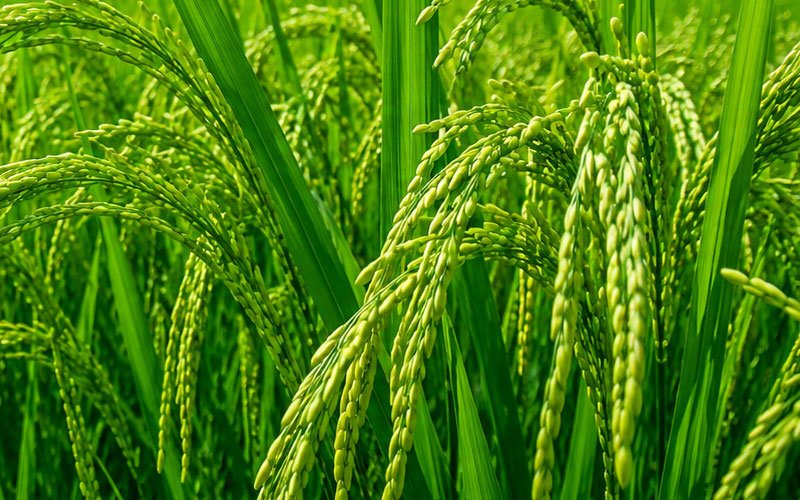
Sonitpur: In a major boost to biodiversity conservation, the Borjuli wild rice habitat in Assam’s Sonitpur district has been officially declared a Biodiversity Heritage Site, recognising its ecological importance and role in preserving India’s native wild rice genetic resources.
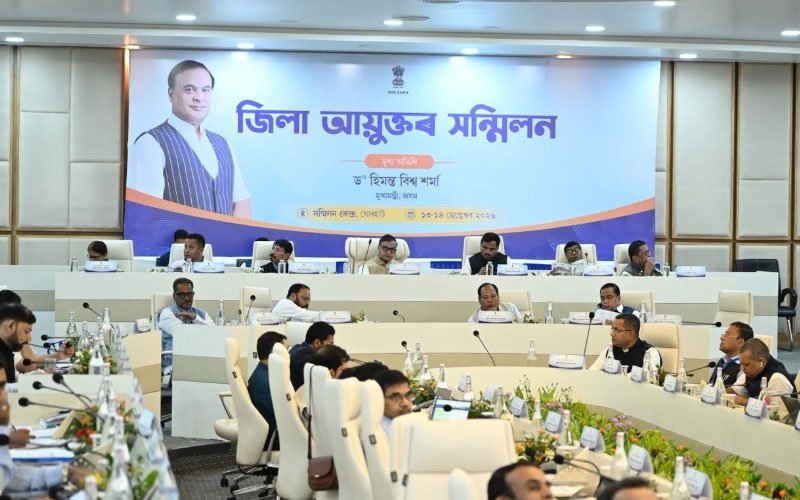
The announcement was made during a meeting between scientists from the ICAR–National Bureau of Plant Genetic Resources (ICAR-NBPGR) and Chandra Shekhar Kumar, Chief Executive Officer of the National Rainfed Area Authority (NRAA). The research team presented the achievements of an ongoing project focused on the exploration, conservation and characterisation of wild rice germplasm.
Scientists informed the CEO that the Borjuli habitat has been notified as a Biodiversity Heritage Site by the National Biodiversity Authority (NBA), marking a significant milestone in the conservation of Oryza rufipogon, the wild ancestor of cultivated rice.
The recognition is expected to strengthen efforts to preserve valuable genetic resources that are essential for developing climate-resilient, high-yielding and nutritionally enriched rice varieties capable of tackling emerging challenges such as climate change, pests and diseases.
Praising the efforts of the research team, NRAA CEO Chandra Shekhar Kumar described wild rice species as an invaluable source of genetic traits that could play a crucial role in securing the future of Indian agriculture. He also stressed the need to undertake similar conservation initiatives for other crop wild relatives across the country to enhance agricultural resilience, promote environmental sustainability and ensure long-term food security.
The meeting was facilitated by Pankaj Kumar Shah, Director (Agriculture and Horticulture), NRAA, and Anil Kumar Mishra, Technical Expert (Watershed Management), NRAA.
The declaration of the Borjuli habitat as a Biodiversity Heritage Site is being viewed as a significant step towards safeguarding Assam’s rich natural heritage while supporting future agricultural innovation through the conservation of indigenous plant genetic resources.