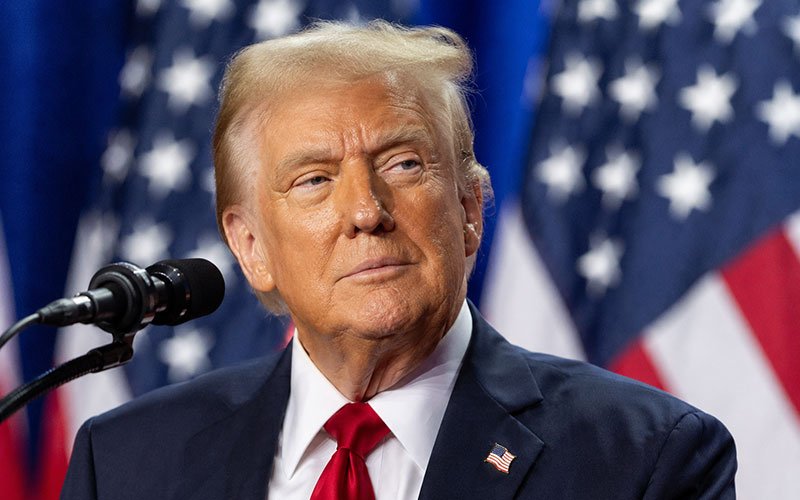
New Delhi: India and China have received temporary relief from the threat of steep US trade penalties after President Donald Trump suspended the implementation of several sanctions and tariff measures linked to Russian energy exports.
The decision, announced through an executive order on Friday, October 16, came shortly before the measures were scheduled to take effect under the Lindsey O. Graham Sanctioning Russia and Iran Act of 2026. Trump invoked the national interest of the United States as the justification for granting the waiver.
The legislation had authorised the US administration to impose tariffs of up to 100 per cent on imports from major purchasers of Russian oil and gas. India and China, among the significant buyers of Russian energy, were potentially exposed to the proposed penalties.
However, the latest decision does not necessarily mean that the measures have been permanently abandoned. The waiver suspends their implementation, leaving open the possibility of future action under the law.
What the Graham Act Provides
The legislation was designed to intensify economic pressure on Moscow over its ongoing war against Ukraine. It includes provisions targeting Russian officials, financial institutions, energy interests and other entities accused of supporting Russia’s military operations.
It also gives the US President authority to impose substantial tariffs on countries purchasing Russian energy. Under the provisions described in the legislation, duties of up to 100 per cent could be imposed on goods entering the United States from major buyers of Russian oil and gas. Additional penalties were also envisaged for Russian energy imports and entities linked to Moscow.
The potential reach of these measures raised concerns among countries maintaining significant energy trade with Russia, particularly India and China.
Why the Decision Matters for India
For India, the suspension removes an immediate threat of another round of US trade penalties linked to its Russian oil purchases.
Had the proposed 100 per cent tariff been imposed, Indian exporters could have faced a substantial additional burden when accessing the American market. The actual economic impact, however, would have depended on the final implementation of the measures and the products covered.
India has consistently defended its approach to energy procurement, maintaining that reliable and affordable supplies are essential for meeting the needs of its population. Its position has emphasised diversified sourcing and decisions based on changing international market conditions.
The issue has also been a point of tension in India-US trade relations. Washington previously imposed additional tariffs connected to India’s purchases of Russian crude, although the supplied report states that some of those duties were subsequently withdrawn and the reciprocal tariff was reduced under a bilateral trade framework.
The latest waiver could provide breathing room for Indian exporters and policymakers, although the broader trade relationship remains subject to further negotiations and changes in US policy.
India’s Position on Energy Security
India’s Ministry of External Affairs has previously maintained that the country would take necessary steps to protect its trade and economic interests while ensuring energy security.
New Delhi has also indicated that discussions concerning Russian oil purchases and their potential consequences for bilateral relations and international energy markets have taken place with US interlocutors.
India’s approach has centred on securing sufficient energy supplies while adapting to changing market conditions. The latest US decision reduces the immediate risk posed by the proposed tariffs, but it does not eliminate the wider uncertainty surrounding trade and energy policy.
Trump’s Russia Policy and the Ukraine War
The waiver comes amid continuing diplomatic tensions over the war in Ukraine and Washington’s approach towards Moscow.
Trump has publicly criticised Ukrainian President Volodymyr Zelenskyy over the prospects for ending the conflict and has questioned his ability to negotiate a settlement. His comments have added to concerns over the direction of US policy towards Ukraine.
The US President’s reported arrangement with Russian President Vladimir Putin concerning diesel supplies has also attracted attention. The agreement was described as involving an immediate shipment of more than 300,000 tonnes of diesel, followed by further deliveries in the coming months.
Zelenskyy criticised the arrangement, arguing that commercial engagement with Moscow was difficult to reconcile with Russia’s continued military actions against Ukraine.
The latest waiver adds another dimension to the debate over Washington’s strategy: whether economic engagement and selective exemptions can serve US interests while maintaining pressure on Russia to end the war.
What Happens Next?
The immediate effect of Trump’s decision is to suspend the specified sanctions, restrictions and duties covered by the waiver. It does not, by itself, guarantee that India and China will remain exempt from future tariff action.
For India, the development offers short-term relief from a potentially significant trade risk. Its longer-term implications will depend on how the US administration applies the legislation, how bilateral trade negotiations progress and how international energy markets evolve.
The decision also highlights the challenge facing governments that seek to balance geopolitical pressure, commercial relationships and domestic energy requirements. For now, India and China have avoided the immediate threat of the proposed penalties, but uncertainty over future US measures remains.